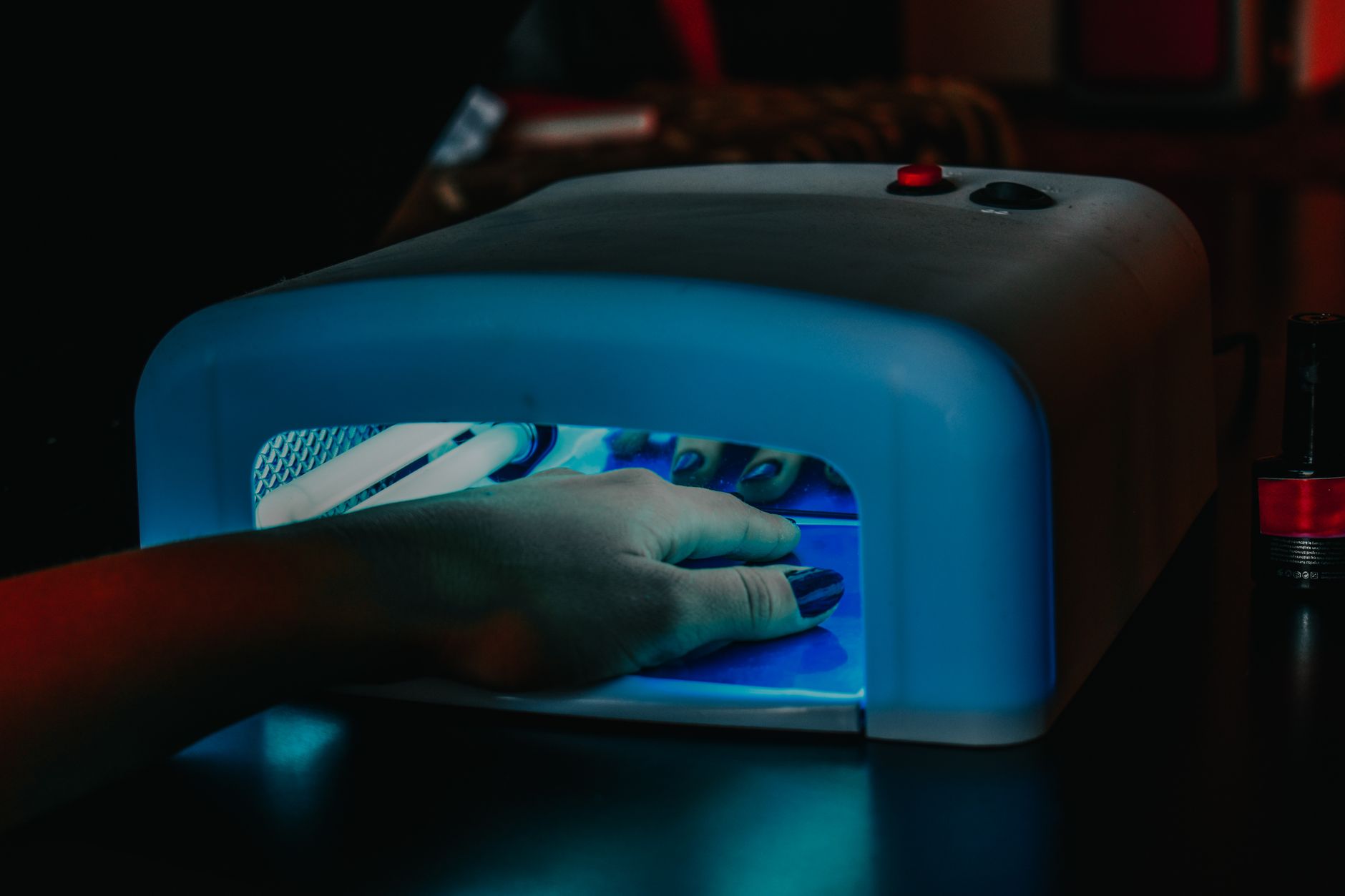
A gel manicure can offer a glossy finish that stays neat longer than many traditional polishes. Before your first appointment, it helps to know what the service involves, how to prepare, and what your nails need afterward. Gel polish is cured under a lamp, so it sets during the appointment rather than air-drying. With a few simple habits—and careful removal—you can enjoy the look while avoiding unnecessary stress on your natural nails.
Prepare Before Your Appointment
Arrive with clean, bare nails if possible, and let your nail technician know about any existing polish, lifting, sensitivity, or nail damage. Avoid cutting or aggressively pushing back your cuticles at home; the surrounding skin helps protect the nail area. If you have a preferred shape or length, bring a reference image and discuss what suits your natural nails.
Do not apply hand cream or cuticle oil immediately before the service, since oily residue can interfere with polish adhesion. You do not need to trim your nails short unless you want to. A technician can shape them during the appointment, and a little free edge can help support the finished look.
Know What Happens During Service
Your technician will prepare the nail surface, apply gel polish in thin layers, and cure each layer under a lamp. The curing process hardens the product; it is not the same as drying polish in open air. Follow instructions about keeping your hand positioned under the lamp, and tell the technician if you feel discomfort or unusual heat.
Gel products should stay on the nail rather than the surrounding skin. If polish touches your skin before curing, ask for it to be cleaned up. Repeated skin contact with uncured gel can cause sensitivity in some people. Choose a salon that explains its process and uses products as directed.
Care for Gel Polish at Home
Use your nails as nails, not tools. Opening packages, scraping labels, or prying objects can cause chips or lift at the edges. Wear gloves for prolonged dishwashing or cleaning, and apply cuticle oil regularly to keep the skin around your nails comfortable. Moisturize your hands after washing.
Check your manicure rather than picking at it. If an edge lifts, do not pull or peel the polish; that can remove layers of the natural nail with it. Arrange a repair or removal instead. If you notice redness, itching, swelling, or persistent discomfort, stop using the product and seek advice from a qualified health professional.
Remove Gel Without Peeling
Avoid biting, peeling, or scraping gel polish off. Removal methods vary by product, so ask your technician how your specific manicure should come off. Some gels require soaking with acetone, while others need professional filing. Improper filing can thin the natural nail, and forceful scraping can leave it rough or tender.
For soak-off gel, a technician typically files the shiny top layer, applies acetone-soaked wraps, and removes softened product gently. Do not force off gel that has not softened; allow more soaking or get professional help. After removal, wash your hands and apply moisturizer and cuticle oil. Give nails a break if they feel weak, and keep them protected while they recover.
A first gel manicure is easier to enjoy when you arrive with bare, comfortable nails, follow the technician’s curing guidance, and resist picking at polish afterward. Safe removal matters as much as application: ask which method suits your gel, and get help rather than forcing it off. When you’re ready, Juniper Nail Studio can help you plan your first appointment.