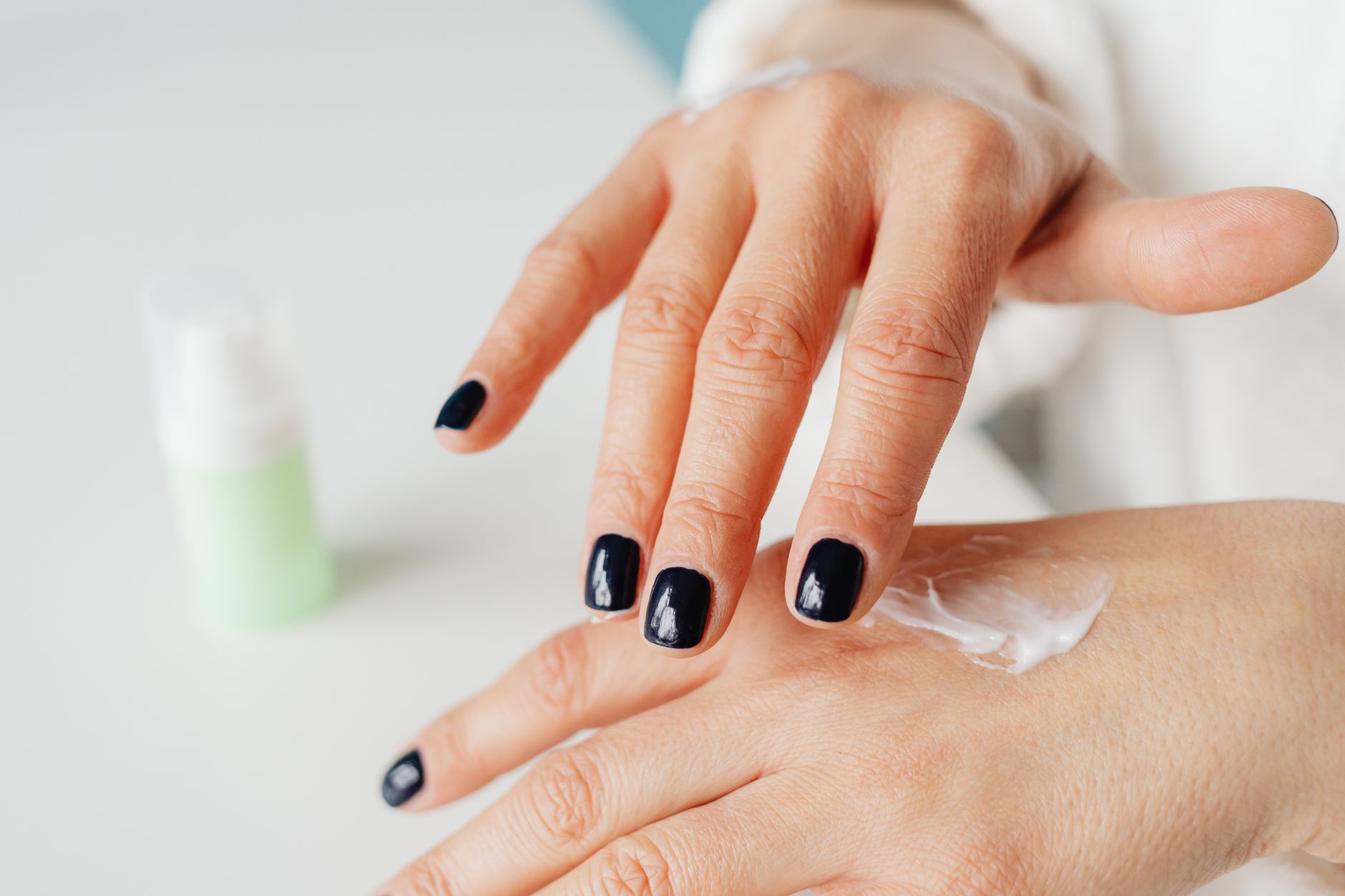
Dry hands and rough cuticles can make even freshly groomed nails look less polished. A few consistent habits can help: wash with care, apply moisturizer while skin is slightly damp, and protect your hands from chores and cold weather. Cuticles also benefit from gentle handling rather than trimming or picking. This practical routine fits into everyday life and supports hands that feel comfortable and nails that look tidy between salon visits.
Moisturize After Washing
Frequent handwashing can leave skin feeling tight, especially when you use hot water or a strongly scented cleanser. Wash with lukewarm water and a mild soap, then pat your hands dry instead of rubbing. Apply hand cream while your skin is still slightly damp to help hold on to moisture. Keep a tube near the sink, in your bag, or beside your bed so reapplying is easy.
Choose a cream that feels comfortable enough to use regularly. Work it over the backs of your hands, palms, between your fingers, and around each nail. For very dry areas, apply a thicker layer before bed and wear soft cotton gloves if that feels comfortable. Avoid putting cream on broken or irritated skin without checking with a health professional.
Care for Cuticles Gently
Cuticles help protect the area where new nail growth begins, so avoid cutting them close to the skin. Trimming or tearing can leave the surrounding area sore and vulnerable to irritation. Instead, soften the skin after a shower or brief soak, then apply cuticle oil or hand cream around the nail. Use a clean, soft towel to gently loosen only skin that is already lifting.
If you choose to push back cuticles, do so gently with a clean wooden tool after softening them. Stop if you feel pain, see redness, or notice bleeding. Never bite or pick at the skin, and do not share nail tools. Clean personal tools after use and keep them dry between grooming sessions.
Protect Hands and Nails
Wear gloves when washing dishes, cleaning, gardening, or handling products that may irritate your skin. For outdoor errands in cold or windy weather, choose gloves that cover your hands comfortably. These small barriers reduce exposure to water, cleaners, and harsh conditions that can worsen dryness. Remove damp gloves when you can and let your hands dry before putting on a fresh pair.
Treat nails as part of your hands, not as tools. Use a file to smooth snags rather than biting or pulling them, and file in one direction when possible. If you use polish remover, choose a gentle formula and moisturize afterward. Give nails a break from products if they become unusually brittle, discolored, painful, or detached.
Make the Routine Consistent
A simple routine works best when it is easy to repeat. Keep hand cream where you wash your hands, apply cuticle oil before bed, and put on gloves before household chores. Reapply moisturizer whenever your skin feels tight, rather than waiting until it becomes rough. If you wear polish, take a moment to check the skin around each nail while you apply your usual care.
Pay attention to changes instead of trying to fix every concern with more grooming. Persistent cracking, swelling, itching, pain, or changes in nail color or shape may need professional medical advice. For everyday dryness, steady moisturizing and gentle handling are usually more useful than aggressive scrubbing, cutting, or frequent soaking.
Soft, comfortable hands come from small habits repeated consistently: moisturize after washing, protect your skin during chores, and leave cuticles intact. Keep the routine gentle and adjust it if irritation develops. For a polished manicure or personalized nail-care guidance, Juniper Nail Studio in Seattle can help you plan your next visit.